


Carbon Capture
Wyoming could lead the world toward a cleaner energy future
By Emilene Ostlind
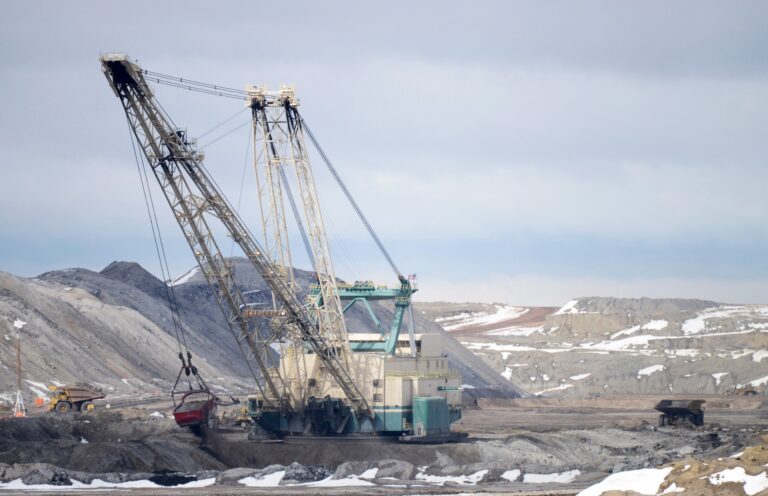
This December, five international research teams will converge at the outskirts of Gillette, Wyoming, to compete for a $7.5 million Carbon XPRIZE.

By Emilene Ostlind
This December, five international research teams will converge at the outskirts of Gillette, Wyoming, to compete for a $7.5 million Carbon XPRIZE.
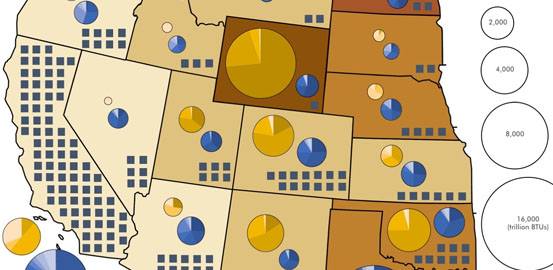
Over the last quarter century, the western states’ energy portfolio has shifted. Coal used to produce far and away the largest share of electricity, but recent advances in hydraulic fracturing and demand for low-carbon fuel have bumped natural gas to first place.
Royal Dutch Shell’s primary business is the discovery, extraction, refinement, transportation, marketing, and selling of oil.

When Congress failed to enact legislation to address climate change, President Obama vowed to take action himself. “No challenge poses a greater threat to our children, our planet, and future generations,” he said.
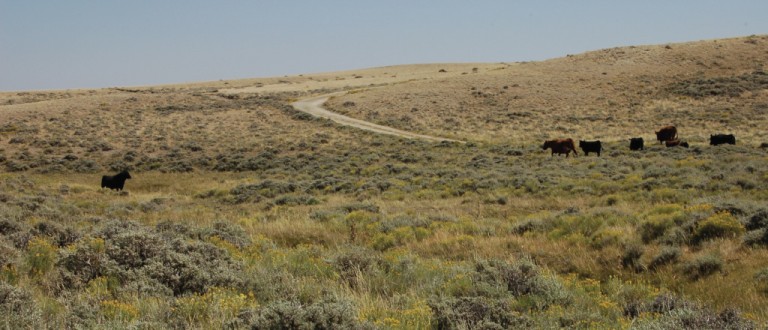
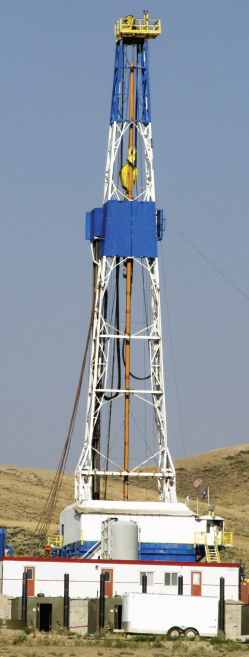
Just south of where the Little Snake River meanders along the Colorado-Wyoming border, silvery green sagebrush and mountain scrub grow above a fortune of hydrocarbons.
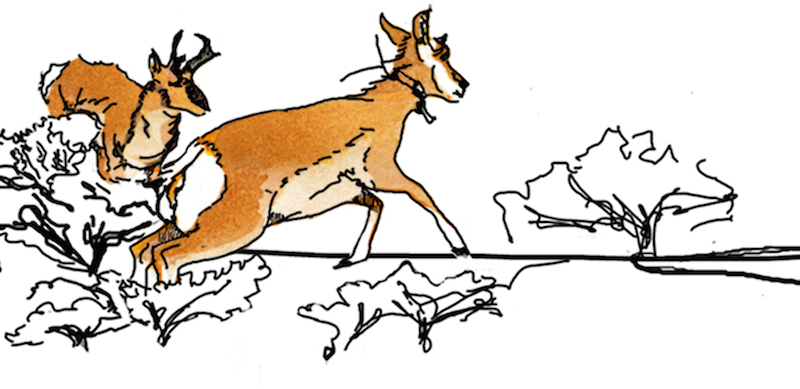
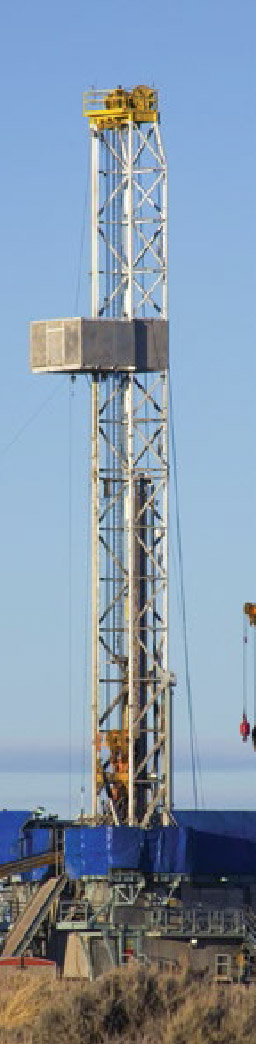
Over the last 15 years, drilling has intensified in formerly remote wildlife habitats across the West.
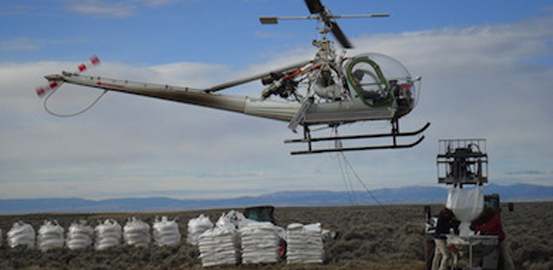
Imagine the old green fertilizer spreader you haul out every spring to urge your tired lawn back to greenness, but much bigger and suspended from the bottom of a helicopter.
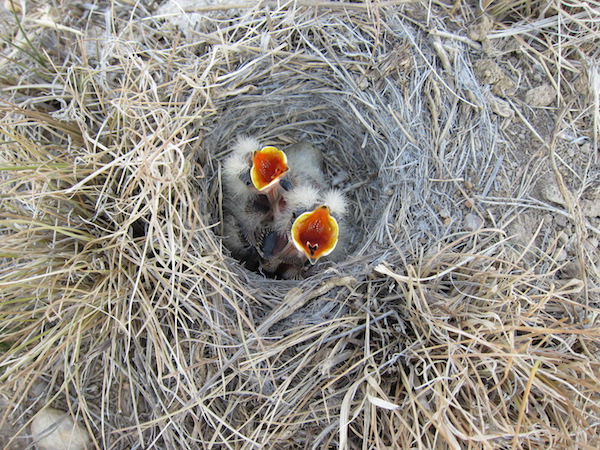
On the eastern Wyoming plains, the wind whips hard across tough little bunch grasses
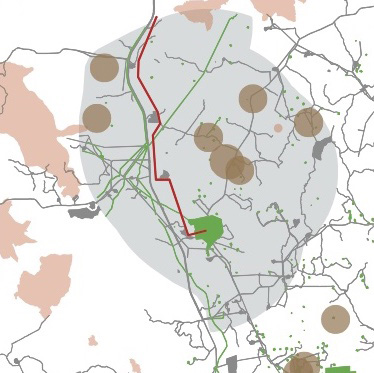
This fall, the U.S. Fish and Wildlife Service will decide whether the greater sage grouse merits endangered species protection, and Wyoming is holding its breath.
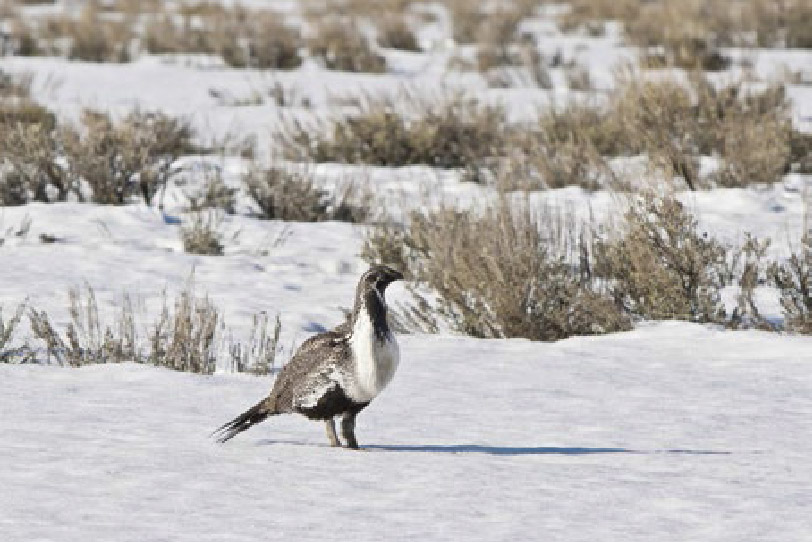
The Upper Green River Basin of Wyoming, at the headwaters of the Colorado River, is laced with clear running streams and fosters abundant habitat and some of the most robust greater sage grouse, mule deer, and pronghorn populations in the world.
 “The most important questions have to do with the long-term behavior of systems,” says Indy Burke, University of Wyoming ecologist. The system she’s talking about, in this case, is western landscapes.
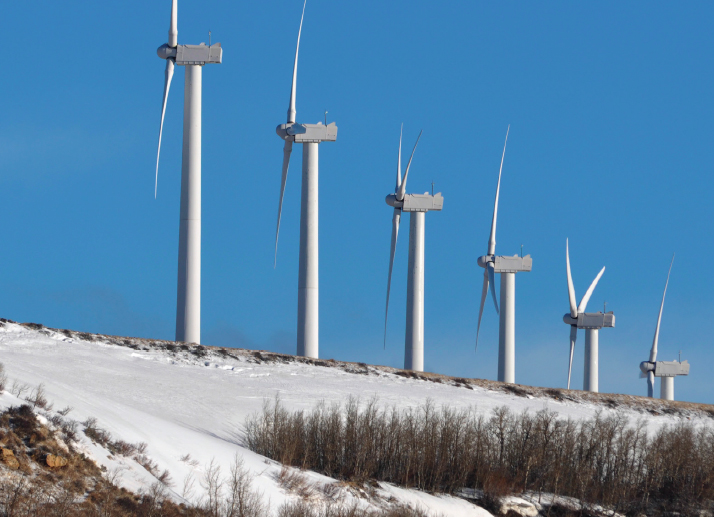
Carbon County’s Chokecherry-Sierra Madre project will be the nation’s largest
A diverse team knuckles down on a daunting natural resource issue