


The West’s Water
Photo Essay
Water, or perhaps the absence of water, defines the Wyoming landscape and shapes the species that live on it. Big sagebrush (Artemesia tridentata) is one species particularly well adapted to Wyoming’s arid climate.

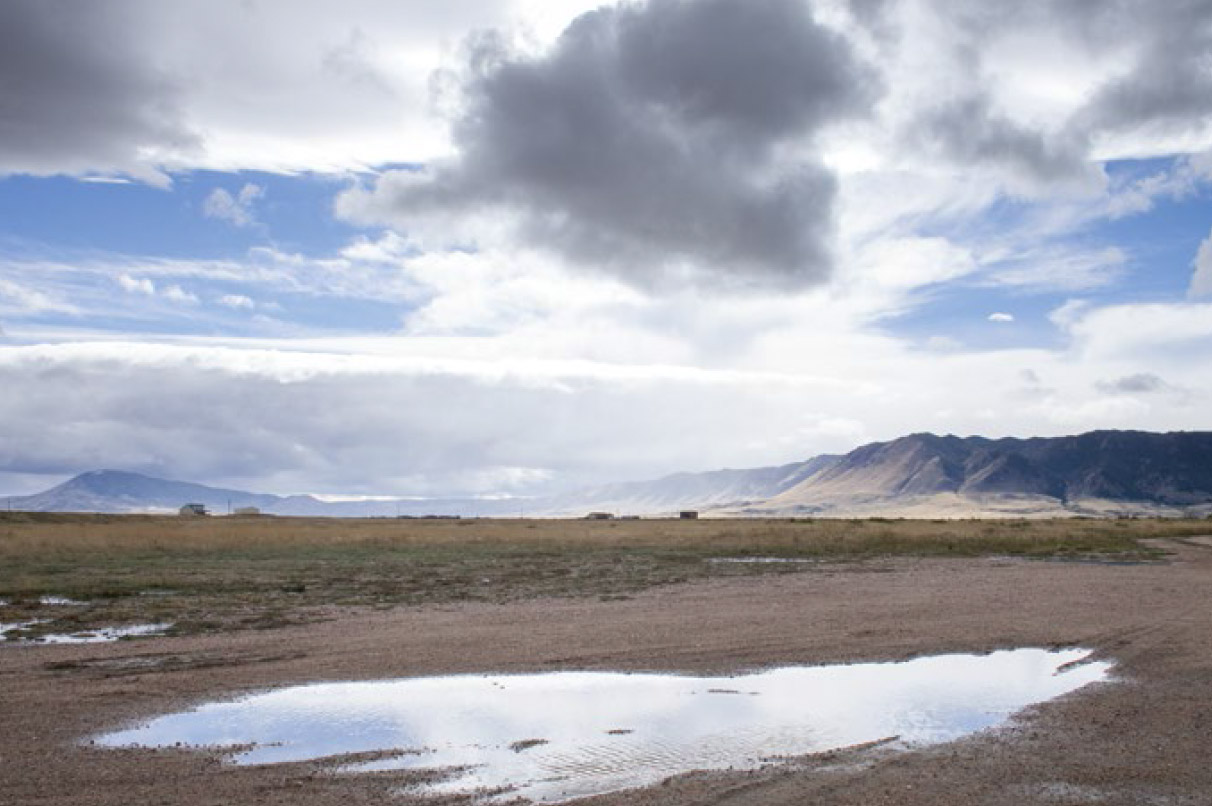
Water, or perhaps the absence of water, defines the Wyoming landscape and shapes the species that live on it. Big sagebrush (Artemesia tridentata) is one species particularly well adapted to Wyoming’s arid climate.
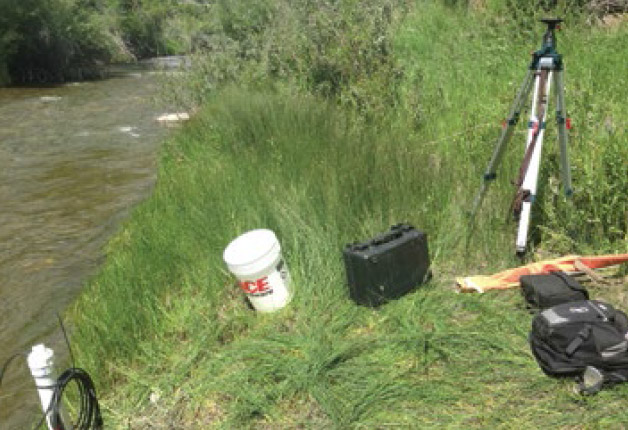
This story is a sidebar to One Irrigator’s Waste is Another’s Supply: Upstream Efficiencies Mean Less Water for Downstream Users in Nebraska’s Panhandle.
As a child in northeastern Wyoming, I remember my summers as irrigation season.
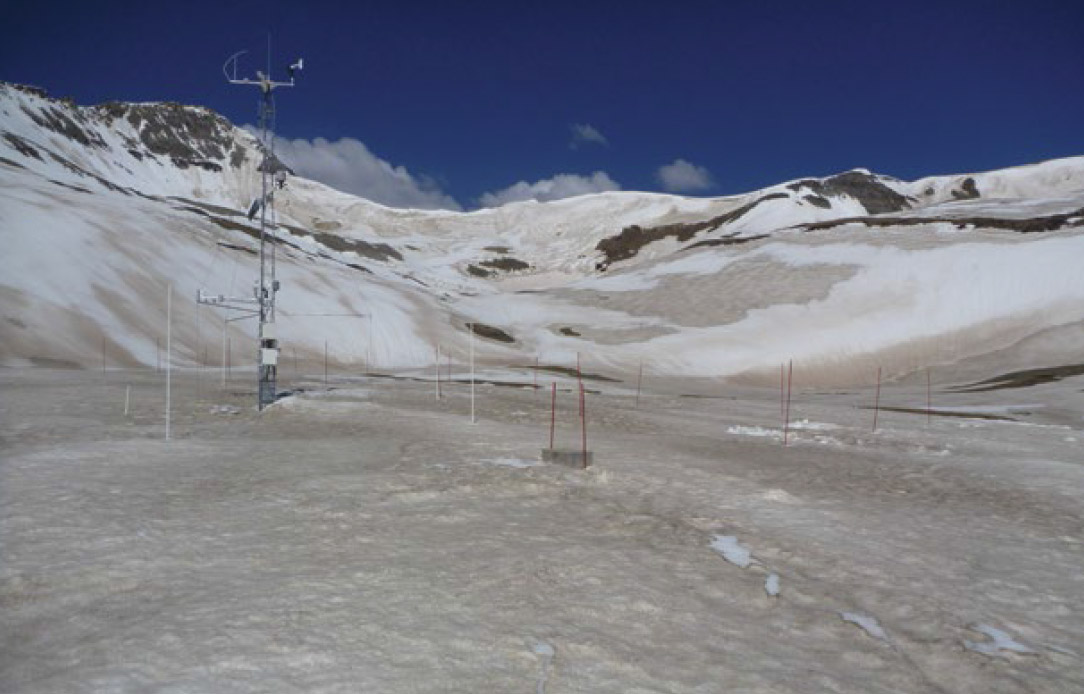
This story is a sidebar to Supercomputer-Powered Model Improves Water Planning: A Hi-Resolution Hydrologic Model Peers into the Future of Western Water.
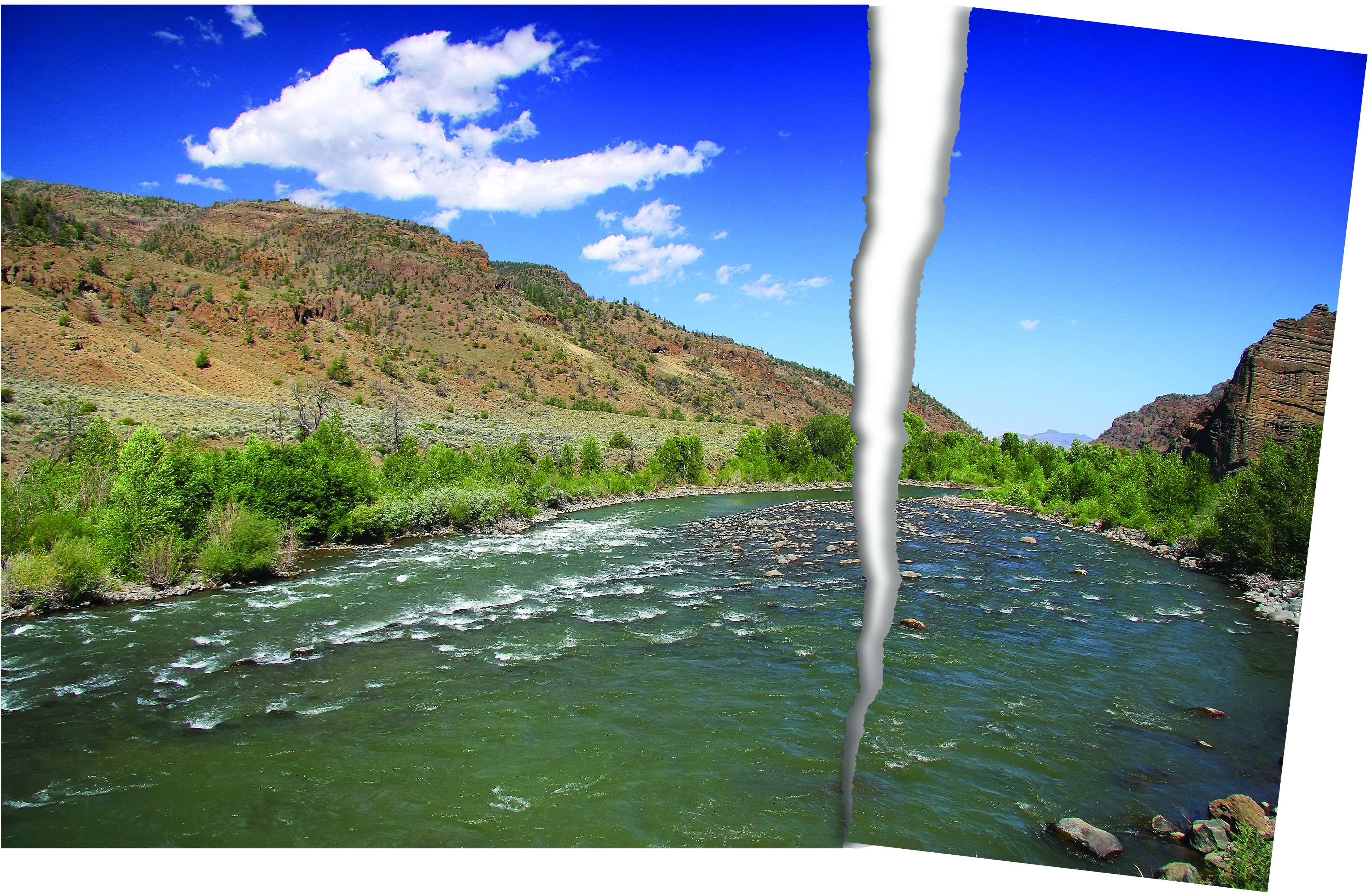
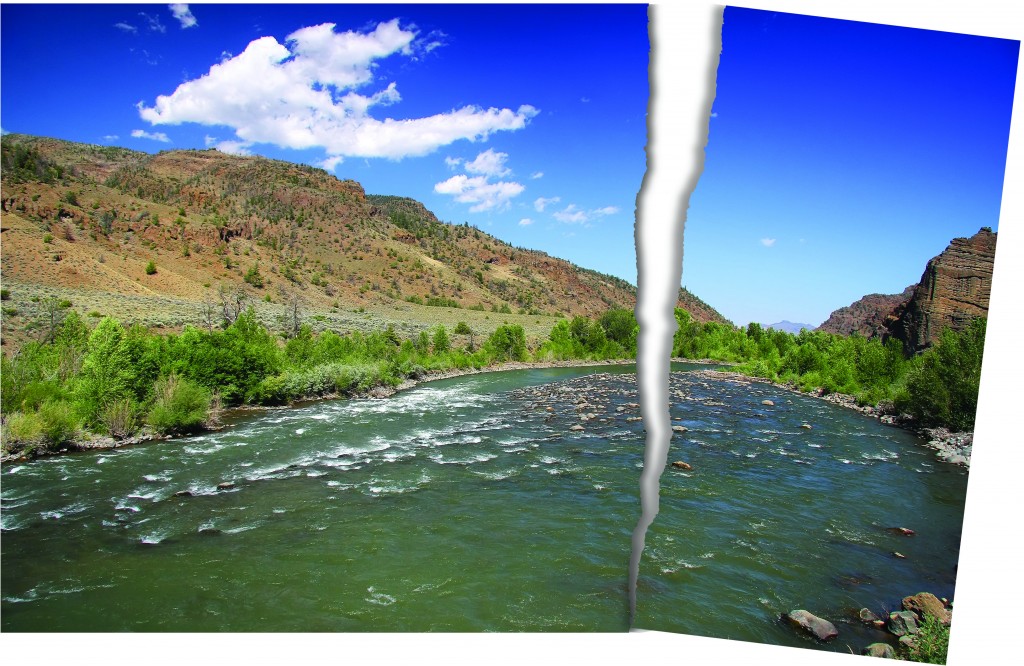
In the summer of 1860, farmers in central Colorado found Left Hand Creek dry.[1] They started looking for replacement water.
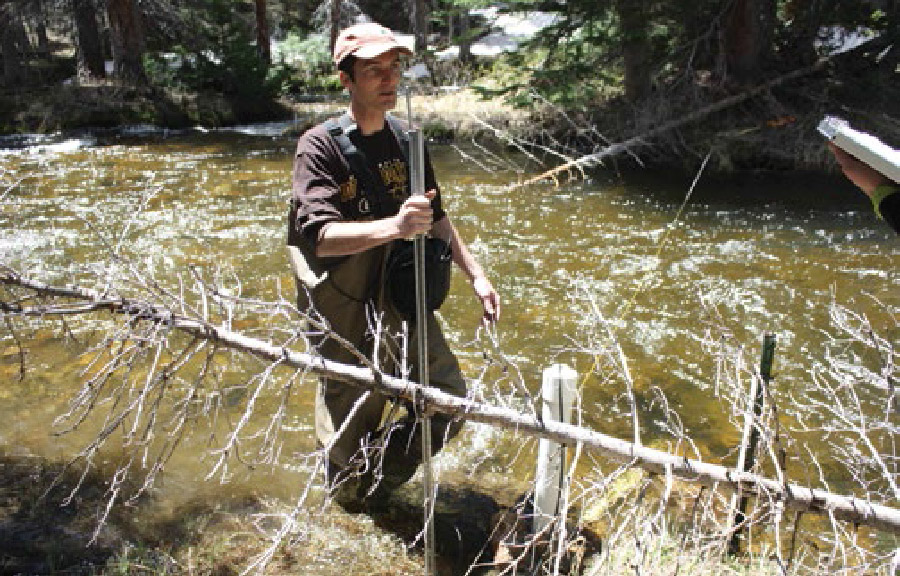
Square solar panels congregate on weathered tree stumps in a small open area in the Medicine Bow National Forest.

“They’re really beneficial, to get the shrubs in, get the water up.”
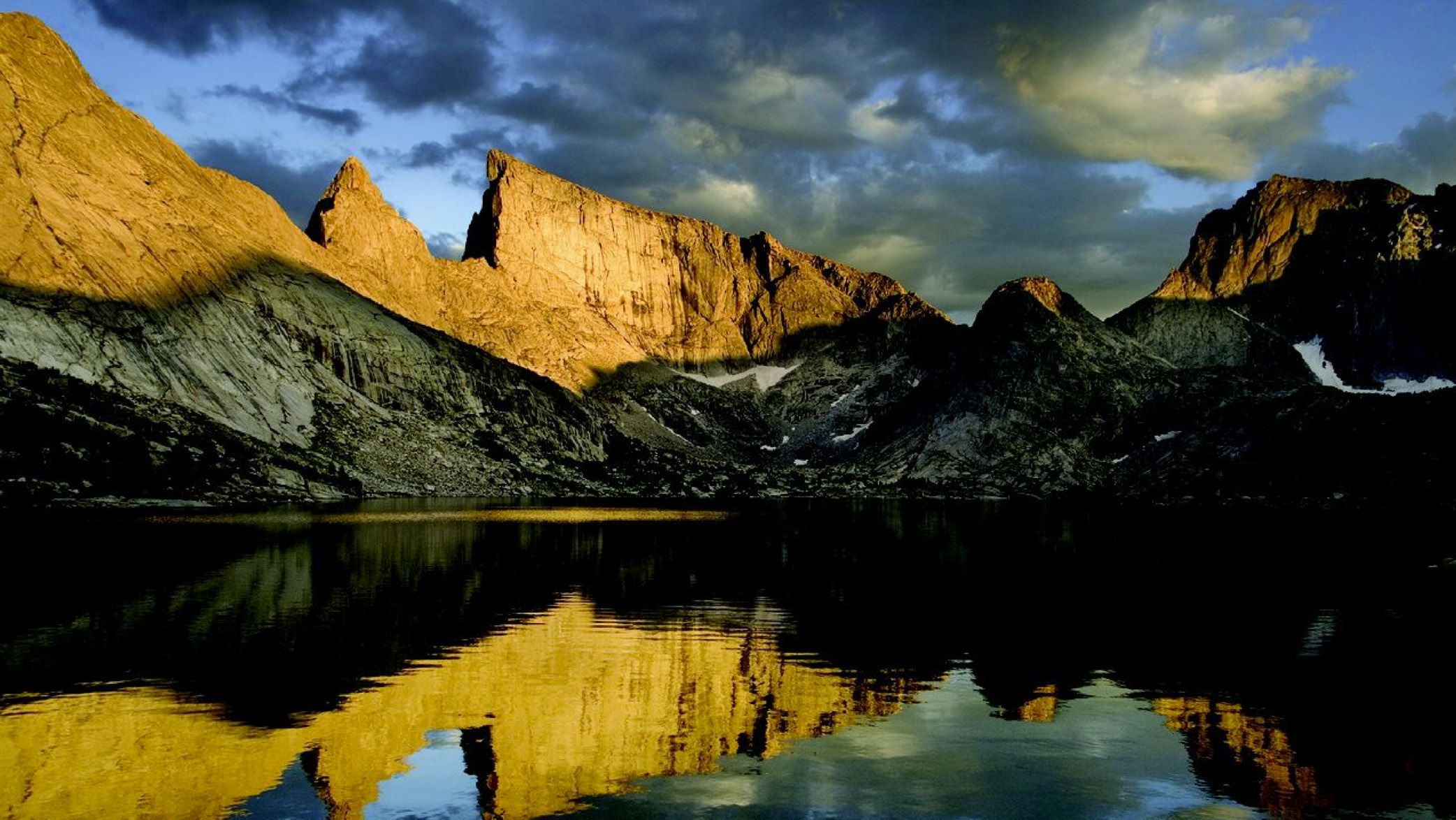
I was fortunate to grow up on the banks of Trout Creek, one of the many streams winding its way out of the Wind River Mountains onto mile-high flatlands and eventually to the lower elevations of the Big Wind River, if you consider 4,000 to 5,000 feet to be low.

On a warm summer morning in western Nebraska, 77-year-old farmer Bob Busch stood next to a sugar beet field in a worn denim shirt

Inside the University of Wyoming’s 3-D visualization cave, winter is coming.
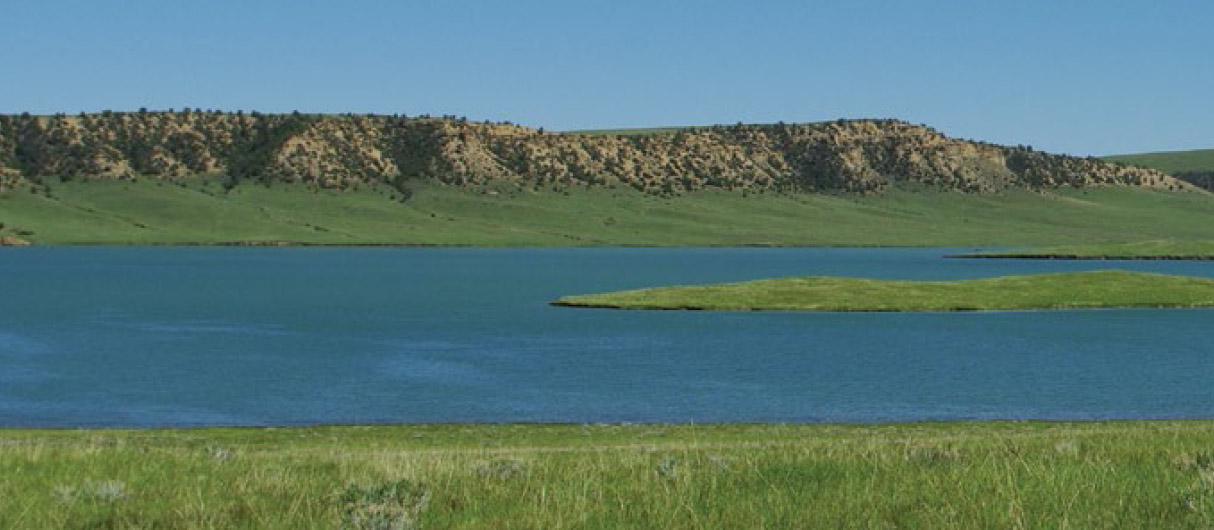
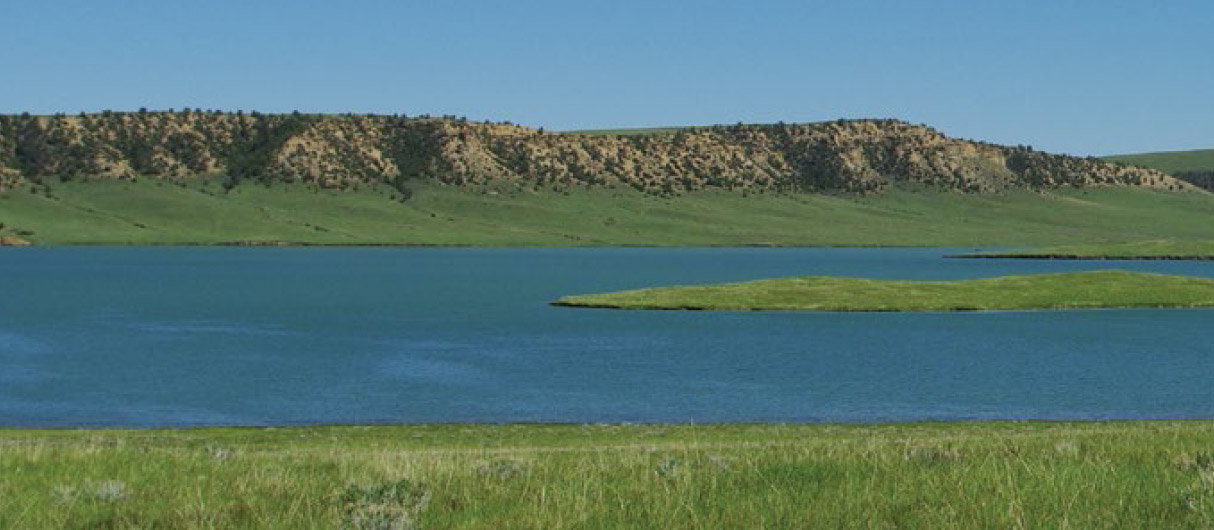
In 2009 Lytle Water Solutions, LLC, a geology consulting firm, constructed a small, rectangular basin in a groundwater well field outside of Cheyenne, Wyoming.
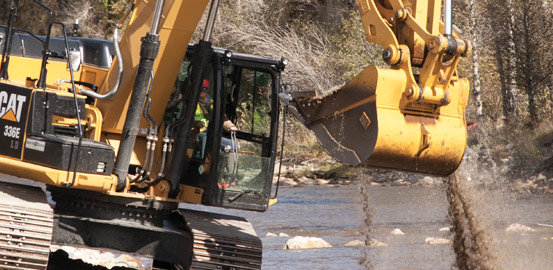
A front loader picks up massive boulders as if they are pebbles. A bulldozer shoves rocks into a mound. High-pitched beeps ebb and flow as the machinery works back and forth.