Principles for siting a nuclear waste repository
By Roy Payne
After years of inertia and inaction, nuclear waste is back on the political agenda. Growing bipartisan and public support for nuclear energy has also brought renewed attention to the lack of permanent storage for used nuclear fuel. With that attention has come renewed effort to find a solution.
In January 2026, the US Department of Energy (DOE) published a Request for Information (RFI) on the “Establishment of Nuclear Lifecycle Innovation Campuses.” The RFI asked states to come forward with proposals to host the storage and disposal of used fuel and other nuclear wastes. To incentivize this, the RFI linked federal support and investment for other kinds of nuclear projects, such as manufacturing, enrichment, or reprocessing facilities, with the hosting of a geological repository for permanent waste disposal.
In April, the DOE announced that 28 states had submitted responses to the RFI, and that decisions on the location of these “innovation campuses” would be made by the end of 2026. Therefore, it’s almost guaranteed that a number of states will soon be having public discussions about hosting nuclear waste facilities—and specifically, a geological repository. However, nuclear waste does not make for an easy topic of public conversation. So how can states, or any decision-making entity, best plan for and organize public dialogue around permanently hosting nuclear waste?
I have spent the past decade learning about and analyzing how communities across the globe manage this complex and contentious conversation. Their mistakes and successes can provide valuable learning for the US to adopt and adapt. I was part of the policy team that redesigned the UK’s repository siting process, and was then tasked with developing a communications and engagement strategy. Looking to the experience of other countries, I realized that there were common public responses that transcended political systems and cultures. This led me to establishing an independent think tank, GDFWatch, to look at these issues from a community and sociopolitical perspective.
Over the past two years, I brought that learning and insight to the United States, collaborating with state officials, tribes, regional councils of government, communities, environmental organizations, and others on a DOE-funded project led by the Colorado-based Keystone Policy Center.
Working with the very people and organizations who would be involved in implementing a repository site selection process, we identified common values and principles that should underpin any public dialogue program on hosting nuclear waste facilities. While technical feasibility is an essential enabling condition, we found that the primary challenge for resolving the nuclear waste issue is social and political acceptability. In short, it is about civics, not just science.
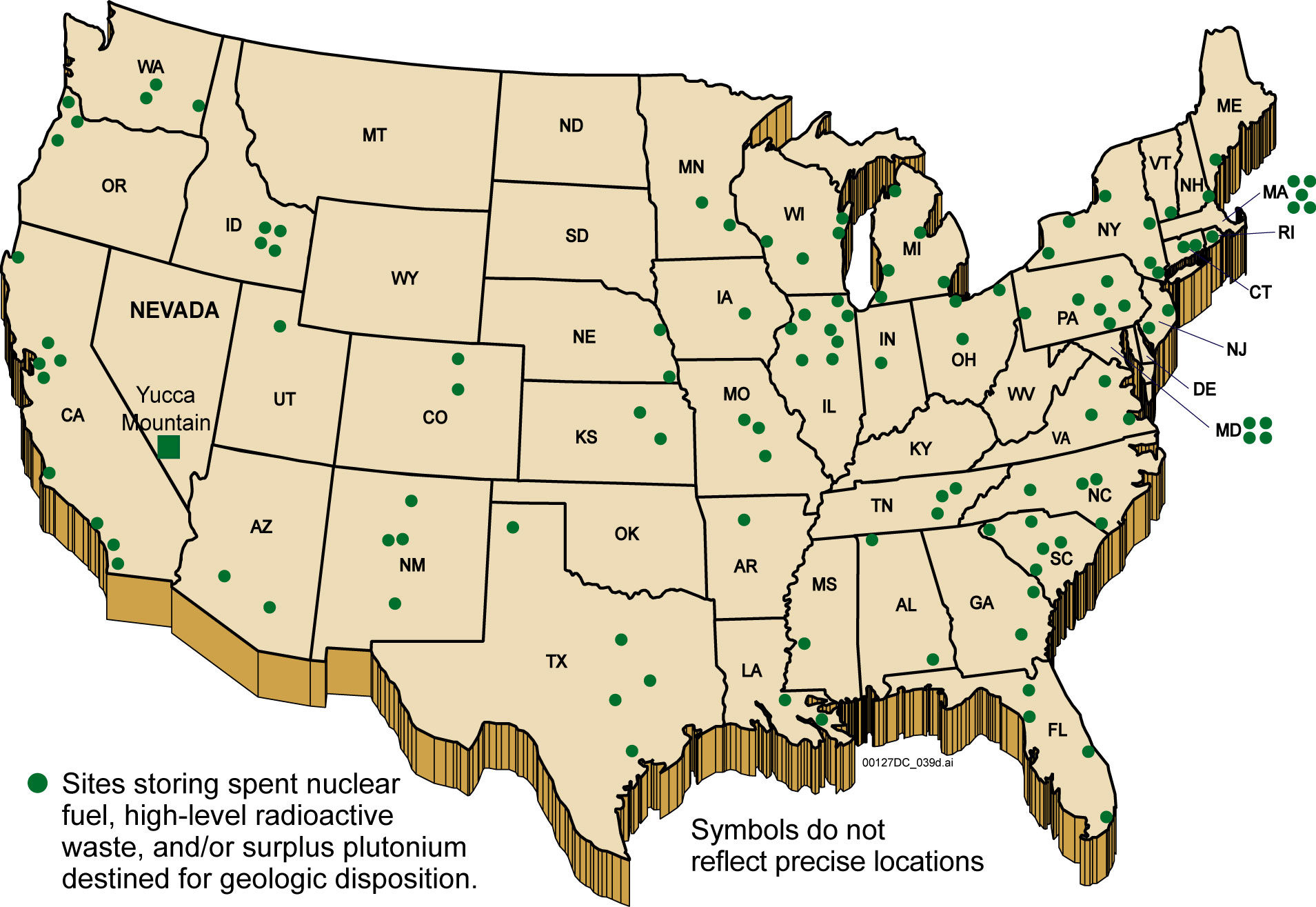
The need for a US repository was first identified in 1957 by the National Academy of Sciences, which was reacting to the rapid accumulation of high-level radioactive waste from the nuclear weapons development program and early research into civil nuclear energy, and the lack of a plan for what to do with that waste. High-level radioactive waste contains isotopes that take a long time to decay into harmlessness (notably Plutonium-239) and thus requires long-term management. Although reprocessing may allow for some recycling of fuel, it is not possible to reprocess 100 percent of spent fuel, so a permanent disposal solution will always be needed.
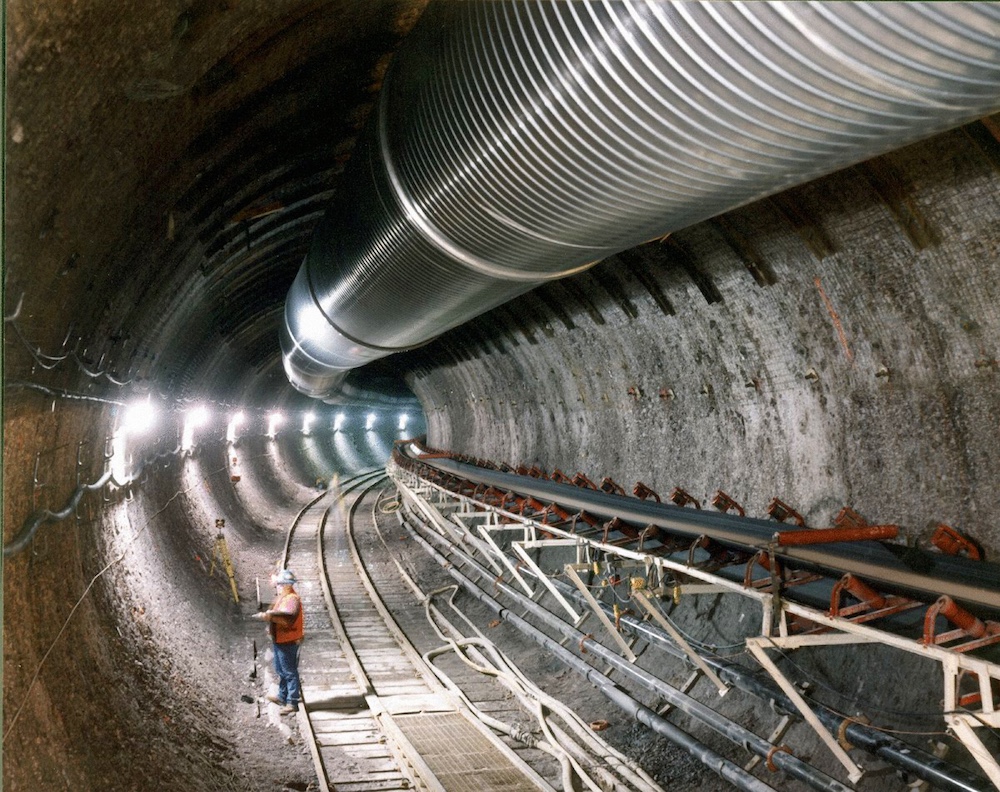
The global scientific consensus is that disposal in a permanent geological repository is the best option for managing this long-term hazard. This method places the waste in a specialized facility a quarter to a half mile underground, where a combination of engineered canisters and thick rock will keep the radioactive waste isolated from the surface environment for the duration of its harmful radioactivity. This approach is endorsed broadly, from the International Atomic Energy Association, which calls it the “safest and most sustainable” approach, to members of the anti-nuclear German Green Party, who called it the “least worst” option at the media launch of the World Nuclear Waste Report.
However, repositories cannot be built just anywhere. Potential sites need careful assessment to understand the hydrology, seismic conditions, and other local geological characteristics. The US did assess potentially suitable locations in the ’60s and ’70s, but repeatedly met resistance from states where potential sites were being identified.
In 1983, with no repository site identified and growing concern about the lack of on-site storage capacity at operating nuclear power plants, Congress passed the Nuclear Waste Policy Act. This sought to establish a procedurally fair and science-based process for selecting repository locations. The legislation gave states a participatory role in assessing waste storage and disposal facilities within their borders, and the right of veto over any DOE siting decisions. However, that veto could be overridden by Congress—an arguably fatal flaw.
During the 1980s, 10 potential repository sites in six states were assessed. By 1986, three of those sites had been provisionally identified, one each in Washington, Texas, and Nevada. But each was generating significant local political opposition. The projected expenses were also piling up, caused by the detailed technical assessments required for each site, the potential costs of legal battles with the host states, increased regulatory standards, and high inflation.
In 1987, in the face of these challenges, state resistance, and planning deadlines becoming unrealistic and undeliverable, Congress amended the Nuclear Waste Policy Act, unilaterally designating Nevada’s Yucca Mountain site as the only site DOE should consider for a geological repository. In doing so, Congress sowed the seeds of the distrust and inaction of the past 40 years.
That’s because Congress’ decision to single out Yucca Mountain was widely seen as being one of political expediency rather than a science-based assessment of the best available option. The story was that Speaker of the House Jim Wright (from Texas) and Democratic majority leader Tom Foley (from Washington) used their influence to remove their states from the process, leaving just Nevada, which at the time was perceived as having a weak congressional caucus. This only compounded already rising concerns about whether the Yucca Mountain site was, geologically speaking, an appropriate location.
Fred Dilger, executive director of Nevada’s Nuclear Projects Agency, says: “There are good reasons why the 1987 amendment is commonly called the Screw Nevada Bill. The decision was wholly political, for the convenience of Congress and the other 49 states. As has been proven, the Yucca Mountain site is unsuitable from a scientific perspective. It is still an active seismic area, and while the surface is arid, there is water flowing through the rocks at depth that could carry radionuclides to the surface.”
Although construction of a research facility started at Yucca Mountain, Nevada and local tribes have continued to resist Congress’ decision, stalling further progress on developing the site. The prolonged opposition has also served to deepen the reluctance of other states to host a repository. Attempts during the 1990s to find a volunteer host community, via the now-moribund Office of the Nuclear Waste Negotiator, always met with opposition from governors who made it quite clear that any repository in their state would need their written approval. This policy was restated and updated in 2025 by the Western Governors Association, and today, 11 states have specific legislation that restricts the hosting of nuclear waste.
By 2009, President Obama recognized the impossibility of pressing ahead with Yucca Mountain, cut funding to the project, and pledged to review nuclear waste management policy. He established the Blue Ribbon Commission, which reported in 2012, charting a new course for the United States. The Blue Ribbon Commission laid the foundations for a “consent-based,” adaptive approach to siting that emphasized the need for meaningful community dialogue and securing local social and political buy-in.
This approach still commands broad bipartisan support. For example, the Heritage Foundation’s Project 2025 Mandate for Leadership reiterated that “the next Administration should use the consent-based-siting process to identify and build temporary or permanent sites for a civilian waste nuclear repository (or repositories).”
But since 2012, there has been little progress in practical or policy terms on siting a repository, until the recent RFI. The RFI is widely seen as a flawed document, not least because it appears to transfer liabilities, risks, and costs from federal to state governments. But the scale of response to the RFI marks a significant shift, from policy inertia to more active negotiation and discussion. These changed conditions may create the potential for progress, but evidence and experience suggest it will require more than just a few websites, webinars, FAQs, and science fact sheets for that potential to be actualized.
Over the past two years, our team at the Keystone Policy Center has sought to flesh out high-level principles and convert them into practical advice and guidance for those who may be responsible for, or participate in, state-level engagement around nuclear repository siting. We have worked with representatives from all tiers of government, Native nations, community activists, industry, and academia to collectively and collaboratively identify ways to best conduct an effective siting process for nuclear waste facilities. We also drew on international experience, bringing in representatives from communities in other countries that are decades farther along a repository siting process.
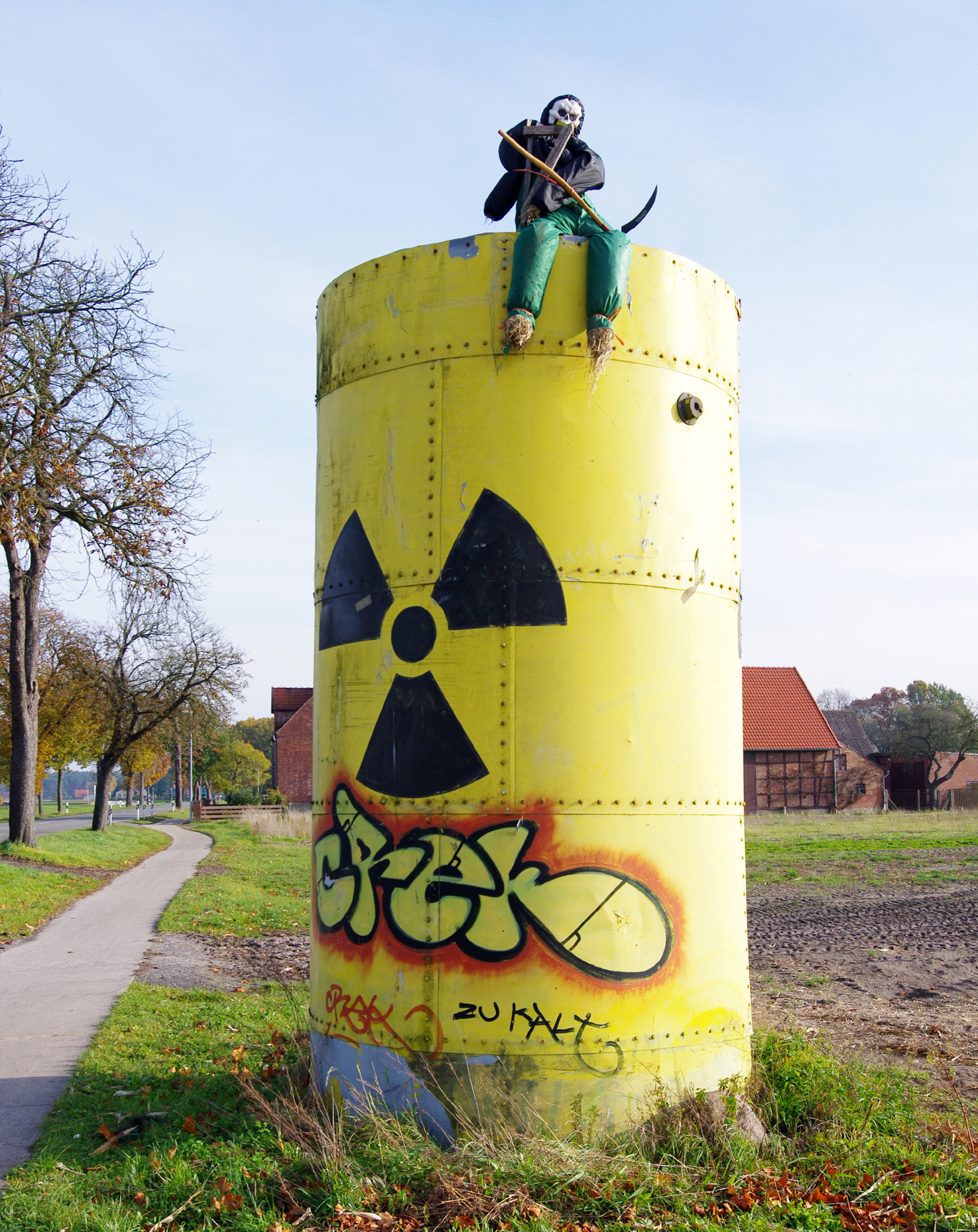
Those countries have overcome the same challenges the US now faces. Most countries using nuclear power are planning to build a geological repository to dispose of their spent fuel and radioactive wastes, and siting a repository is no less contentious or difficult than it is in the United States. Publics around the world are as untrusting of politicians and the nuclear industry, and as fearful about the perceived risks and impacts to local nature and the community’s way of life.
“Consent-based” approaches—the approach recommended by the Blue Ribbon Commission based on international and domestic case studies—have been the most successful for siting a repository. Allison Macfarlane, a member of the commission, former chair of the US Nuclear Regulatory Commission, and current director of the School of Public Policy and Global Affairs at the University of British Columbia, says, “While the US has done little to progress a repository since 2012, other countries have built public trust, secured community consent, and started construction of their national repositories. They have shown that by connecting with communities through meaningful collaboration you can address public anxieties and build the required socioeconomic and political consensus in a viable timescale.”
However, each country interprets and implements the consent approach in different ways, aligned with their own national political culture and decision-making processes. For instance, Canada initially asked communities to volunteer for consideration, before whittling down the 20-plus candidates to a shortlist of two, largely based on the geological suitability of each area. The Canadians held parallel conversations with both the potential host municipalities and the local First Nations, exploring how each might formally express their willingness to host a repository. Sweden planned to hold a public referendum, but in the end public support in the selected location was so strong that the final decision was made by the elected officials of the local municipality. Switzerland never planned to seek a community’s permission but instead focused on finding the best geology in their small, land-locked country. While conducting that search, they held extensive, deliberative conversations with all interested parties in order to normalize the issue, address public concerns, and develop a shared regional socioeconomic vision and plan for the future.
Although the mechanics of the consent-based processes differ between countries, it is possible to discern values, behaviors, and principles that are common to each.
First, the scientific suitability of a site is a fundamental condition everywhere. There are well-researched and internationally agreed-upon geological criteria for site suitability and safety, which underpin all the different national approaches. Germany, much as Switzerland did, is first assessing which parts of their country could safely host a repository and only then formally approaching state, regional, and local communities. Japan, like Canada, first seeks volunteer communities, and then assesses local geology before deciding how to proceed. I led a public engagement and consultation exercise in the UK which had two objectives—to gather all available geological data about the UK from myriad public and private sector sources, and to leverage that process as a way to start dialogue and discussion with prospective host communities.
Ruling out a location because of geological unsuitability can be part of broader trust-building, as an indication that sites are carefully being assessed using the best available information. This may be particularly important in the US, where multiple public workshops held by the Keystone Policy Center revealed that the Yucca Mountain experience has damaged public trust in the integrity of repository siting processes, leaving Americans wary and cynical that decisions will be based more on politics than on science.
While scientific grounding is necessary, it is still not sufficient to successfully site a nuclear waste storage and disposal facility. How the process is conducted makes the difference. International experience and research point to openness, collaboration, adaptability, and capacity-building as key principles underlying the processes that have successfully identified both a site and a willing host community.
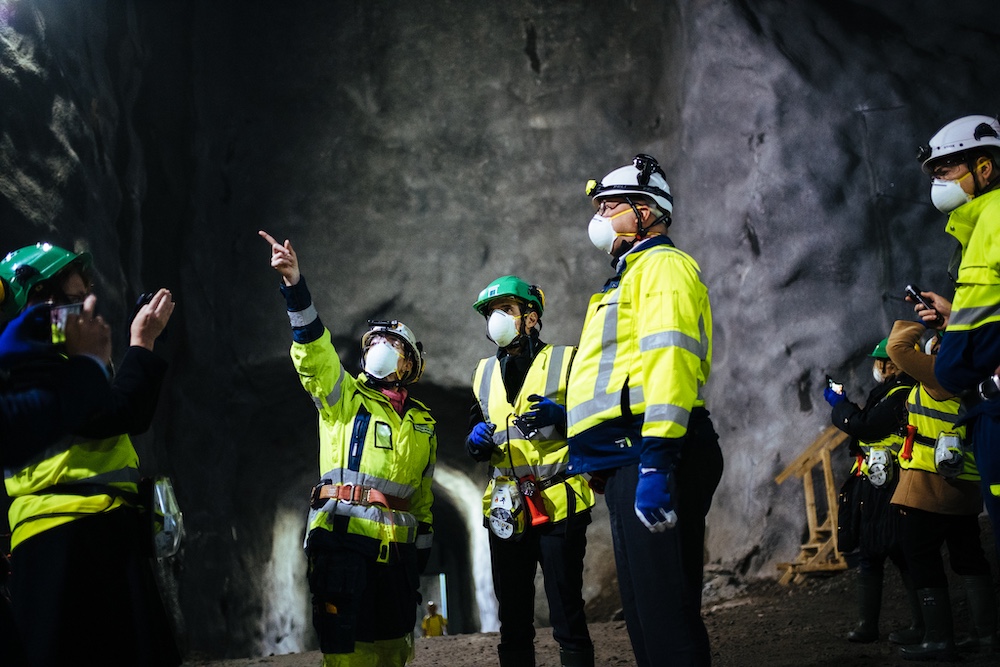
Open, transparent processes that seriously engage with public concerns and priorities are common across successful siting efforts. This includes acknowledging risks and past mistakes, flagging issues before they are raised by the public, committing to work through each and every issue, sharing data openly, and jointly assessing information. Jacob Spangenberg, the mayor of Osthammar in Sweden during their site selection process, says the process can only end “once every question has been answered.” This experience was echoed by Dan Stetson, chair of the San Onofre Community Engagement Panel in Southern California, who says, “Carefully addressing each community concern builds trust and reduces levels of public anxiety”.
The Keystone Policy Center project also revealed that public discussions are less effective if they are designed as a binary choice between hosting or not hosting a repository. Structured, facilitated dialogue to build a shared vision of the future with a community, alongside more technical site suitability analyses, has proven to be a more effective approach.
Collaboration between all parties is also vital. Both Spangenberg and Stetson recommend proactively reaching out to all demographics and interests in the affected region. Too often, projects tend only to engage with a vocal, organized minority, whereas actively seeking the input of a wider public that is not normally engaged in such discussions reveals the opinions of an otherwise-silent majority.
These various interested parties should co-design a discussion and decision-making process that everyone accepts is fair and reasonable, an approach also recommended by the US Government Accountability Office for any nuclear-related activity. This allows for definition of clear roles and responsibilities, establishment of mechanisms for dispute resolution, and expectation-setting about what can be influenced and what can’t. For example, many repository decisions are highly technical, requiring expertise to make an informed decision, so they cannot be left to a general public. However, people are more likely to accept decisions made within a process they helped design, even if they disagree with a particular decision.
Another key feature of successful siting processes is that they are not over-prescribed. Retaining flexibility and being prepared to adapt to changing circumstances, including revisiting previous decisions, are necessary because siting is a long process, so change in the broader sociopolitical landscape is inevitable. Public sentiment can shift rapidly in reaction to an external event, like an accident at a nuclear power plant. New scientific research or analysis can necessitate a pause for reflection.
Both Canada and Sweden have had to evolve and adapt their processes. In response to community feedback, Canada’s siting organization, the Nuclear Waste Management Organization, changed their engagement tactics from a traditional approach where the public was invited to attend its information events and visit its website, to a new, more proactive approach of going to events the community was already at and building personal relationships within the affected community.
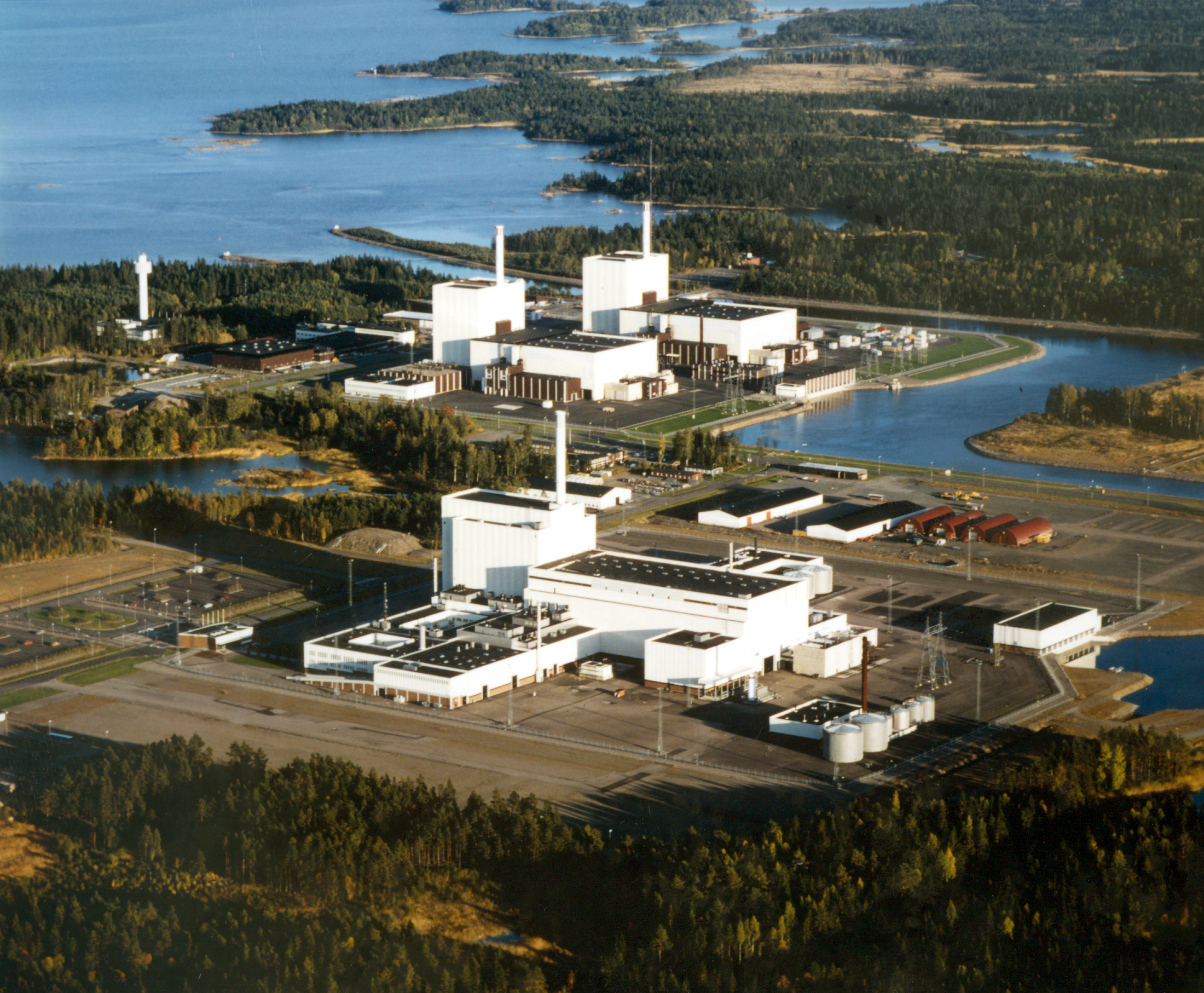
In Sweden, a new environmental regulator was established, which then had to be incorporated into an ongoing repository siting process. New research about copper corrosion also came to light late in the process, requiring a pause to allow for proper review and evaluation. In the end, there was no issue, but the siting process was sufficiently flexible to accommodate this matter of public concern late in proceedings.
“So long as you have established shared values and principles to guide you through the siting process, you can navigate the inevitable impacts of an ever-fluid and changing external environment,” Spangenberg says.
Finally, it is important to equip all engaged parties in a way that allows them to feel they can participate meaningfully and equitably, in what will be a long and complex process. Without this capacity, many communities naturally and understandably default to resistance. Spangenberg’s recommendation is to “take away the reason for people to simply object by giving them the tools to participate in finding a solution.”
The Keystone Policy Center project developed a taxonomy of six community civic capacities that support participation in siting decision processes. Beyond financial and other resources, communities also benefit from effective leadership; access to good information; an active populace with problem-solving skills; social capital characterized by shared values and trusting and respectful relationships; and civic culture in the form of collective identity, sense of community, and orientation toward the common good. This taxonomy, alongside a review of the policy context and good questions for communities to ask, formed the backbone of a guidebook to help participants understand how they might approach and engage with a siting process.
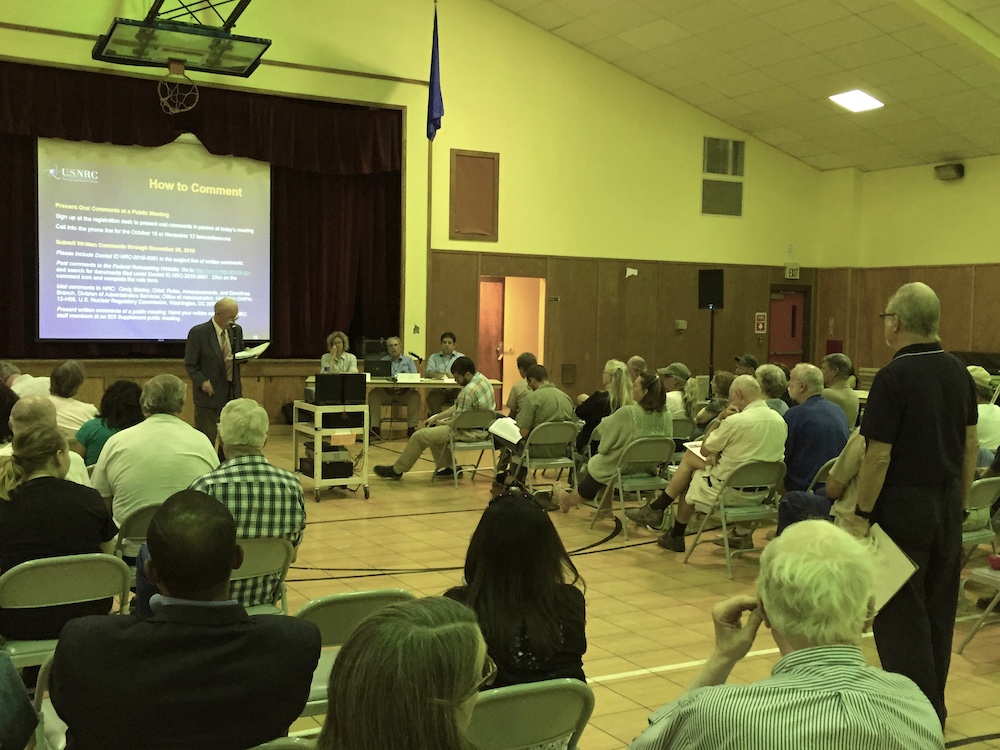
Overall, the principles gleaned from international processes dovetail well with America’s own experience of engaging communities on nuclear waste. When discussed with state-level players, tribes, communities, and local and regional governments, the same issues and solutions arose. The question, then, becomes whether states will be given, or allow, the time required to enact proven best practice.
Geological assessment of a repository site takes time. Building community and stakeholder trust takes time. Constructing a facility takes time. These realities undergird significant and widely held concerns about the recent RFI—that in their urgency to quickly resolve this complex problem, politicians will repeat the mistakes of the past by imposing top-down solutions that do not have local support.
In contrast, the evidence suggests that going slow initially, and creating a shared journey in which communities can shape their own future, actually delivers more sustainable solutions more quickly. These days, even the nuclear industry says more frequently, “We need to move at the speed of trust.” The more that can be done to accelerate the speed of trust, the quicker a repository program might be delivered.
Roy Payne is a communications and engagement expert, with four decades’ experience designing and implementing diverse community, political, and consumer campaigns addressing complex and contentious issues in the energy, telecommunications, public health, environmental, and rural development sectors for multiple governments and organizations around the world.
Header image: The entrance to Yucca Mountain under construction in November 2007. (Nuclear Regulatory Commission)