Using Hamlet’s quest for justice to teach the corner-crossing case
By Kelly Dunning
In my undergraduate classes, I teach that the Wyoming corner-crossing case is one of the past decade’s most significant political developments regarding conservation. But I don’t teach it like a history, its series of events and consequences simplified and smoothed by hindsight. Instead, I preserve the human story—of individuals’ actions, motivations, and flaws—and emphasize the tension between Western identity, as shaped by private property rights and rugged individualism, and our collective stewardship of public land.
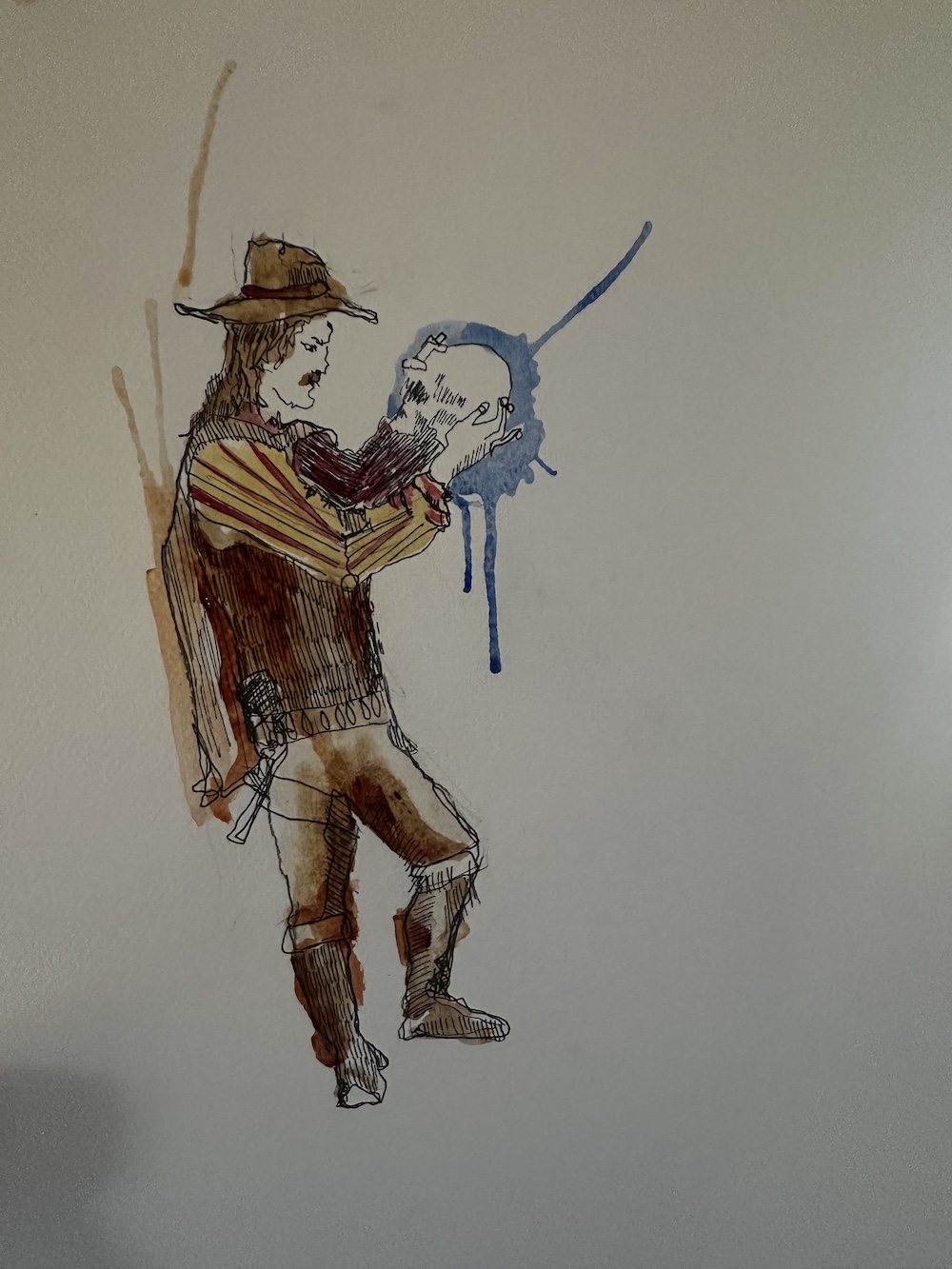
I do this with the aid of Shakespeare’s Hamlet, telling my students that classic stories can illuminate fundamental human experiences like love, conflict, and strife across different cultures, contexts, and time. Like Horatio, the scholar and observer in Hamlet, those of us who study public lands bear witness to these historical events and try to make meaning of them for our students, our peers, and ourselves. Viewing the corner-crossing case through the lens of Hamlet can give us several lessons that help with this meaning-making.
The first lesson is about the murkiness of truth in the face of uncertainty. Prince Hamlet learns from his father’s ghost that King Hamlet was murdered by Claudius, who now reigns as king. Doubting his senses, Hamlet feigns madness to investigate, creating several layers of uncertainty about what is true. At the heart of the corner-crossing case, meanwhile, are differing points of view over what exactly constitutes trespass and tradeoffs involving the right to access public land in a state that is strong on private property rights.
The next lesson is in the importance of courage in the face of power. Throughout the play, Hamlet tries to work up the courage to confront King Claudius, risking his own life by taking on the most powerful man in Denmark. The corner crossers similarly took on a powerful figure in an extended court battle characterized by strikingly mismatched access to resources.
Finally, Hamlet teaches us about the steep costs of inaction. While Hamlet hesitates, going back and forth on the morality and potential consequences of taking action—eventually leading to the deaths of nearly everyone in the play—the corner crossers acted decisively. Their action precipitated a chain of events that has given us more clarity over one of the most important issues in public land access and conservation in recent memory.
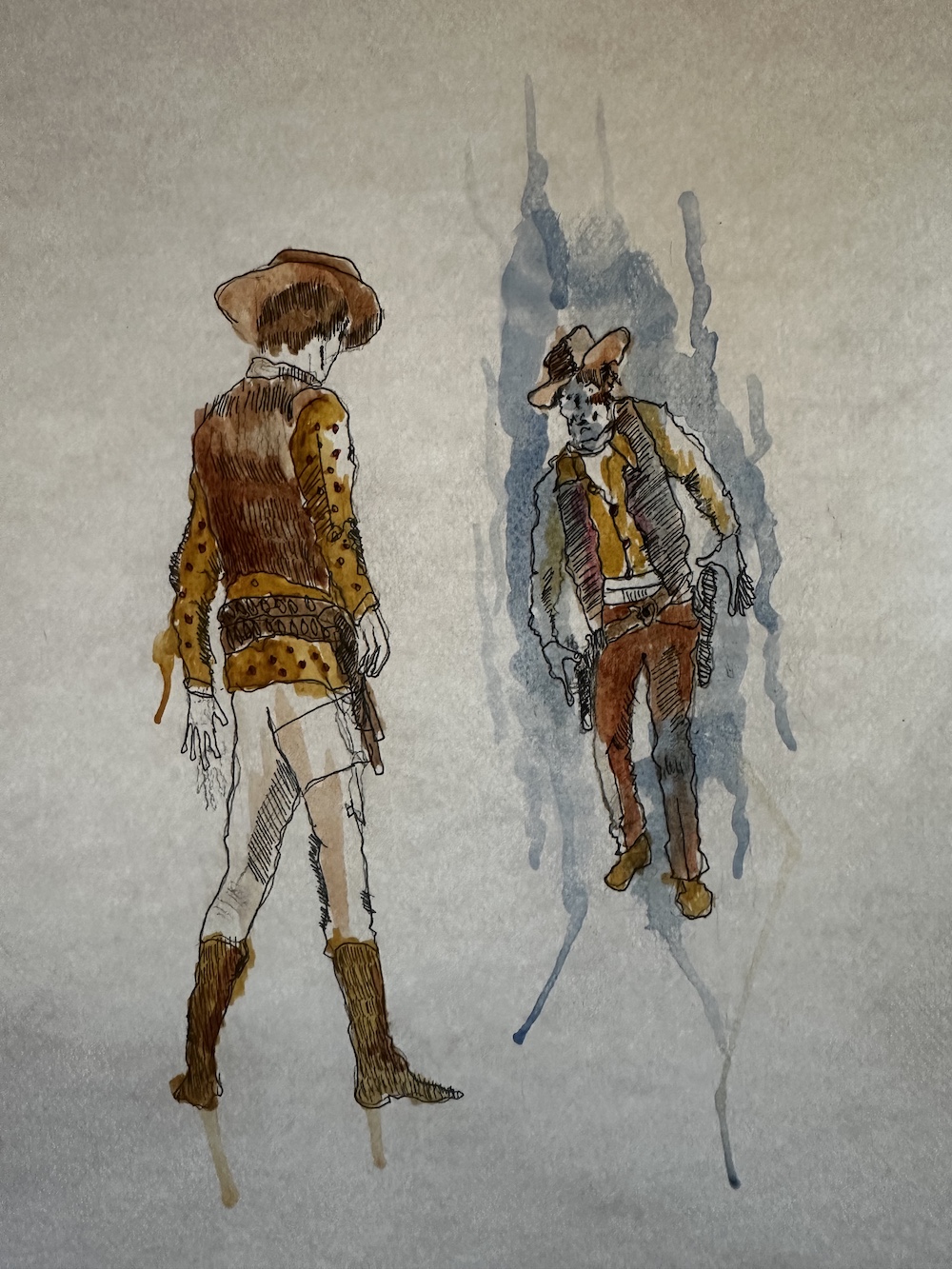 The Wyoming corner-crossing case, revisited through the lens of Shakespeare’s masterpiece, Hamlet, reveals profound insights into the human condition and our relationship with the American West’s landscapes. Using this lens with students fosters empathy, helping them navigate the tensions inherent in the West and become better stewards of the land. By embracing the nuances of the corner crossers’ saga, we can forge a unified path forward as stewards of the land, ensuring it remains a shared legacy for all.
Kelly Dunning is the Timberline Professor of Sustainable Tourism and Outdoor Recreation at the University of Wyoming.
Header image: Elk Mountain. (kmoney56)